'Ramayana: Part 1': Namit Malhotra gets emotional at Mumbai screening; 'We know how much heart, hard work and genuine passion is warranted making this film'
Producer Namit Malhotra became visibly emotional while addressing the audience at a special screening of 'Ramayana: Part 1' in Mumbai, underscoring the deep personal investment behind one of the most ambitious Indian films in recent memory. The screening served as an early showcase for the project, which Malhotra has been developing with an eye on both national and international audiences. In his remarks to those gathered, he reflected on the scale of the undertaking, describing the film as a labour of love that demanded extraordinary commitment from everyone involved. Malhotra spoke about the heart, hard work and genuine passion that such a project warrants, according to accounts of the event, and his emotional demeanour underlined how much the film means to him personally and professionally.
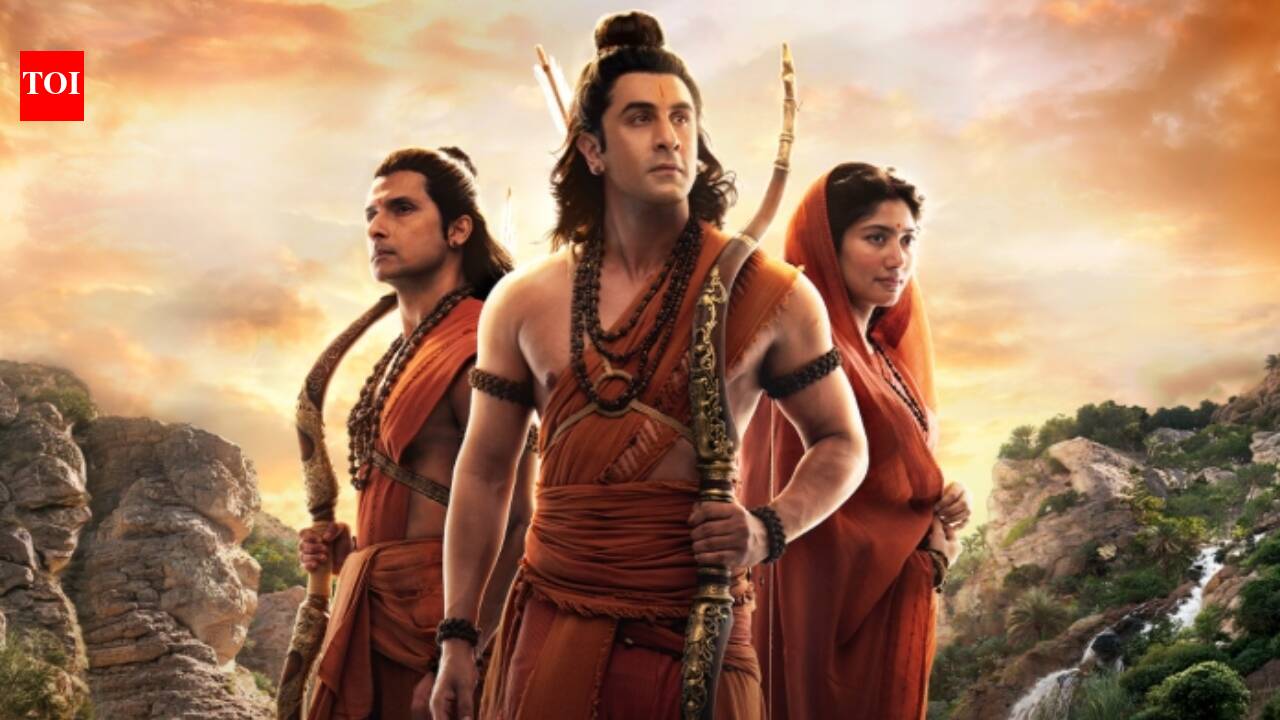
The project draws on the Ramayana, one of India's foundational epics, a text that has shaped art, performance and storytelling across the subcontinent for centuries. Bringing such a revered narrative to the screen carries enormous expectations, not least because audiences hold deeply personal attachments to its characters and episodes. Malhotra, known globally for his visual effects work through his company, has positioned the film as a large-scale cinematic adaptation designed to meet contemporary production standards while honouring the source material. The Mumbai screening was therefore not merely a promotional exercise but an opportunity to present the work to an audience close to the industry and gauge early reactions.
Details around the film's production have been closely followed within the entertainment industry, given the technical ambition involved and the involvement of a team drawn from India and abroad. The project has been described as a two-part endeavour, with the first instalment introducing the epic's world and principal characters. Malhotra has previously spoken in general terms about the responsibility of adapting a text of such cultural significance, and the screening event extended that theme, with the producer addressing the audience about the effort invested in the filmmaking process. The gathering brought together industry figures and guests, reflecting the broad interest the project has generated within Mumbai's film circles.
Reactions at the screening and afterward pointed to the emotional resonance such a project can generate among those involved and those watching. The producer's visible emotion became a talking point in itself, offering a human counterpoint to the scale and technical ambition associated with the film. For the team, the event provided an early indication of how the material lands with an audience and how the film might be received when it reaches a wider public. The screening also reinforced the sense that the project has become a mission for Malhotra rather than simply another production, with the personal stakes evident in his remarks.
The film arrives at a time when Indian cinema is increasingly pursuing large-format, mythology-inspired storytelling aimed at audiences both at home and overseas. Big-budget adaptations of epics and historical narratives have become a significant strand of the industry's output, with filmmakers drawing on familiar cultural material and pairing it with advanced visual effects and global distribution strategies. 'Ramayana: Part 1' fits squarely within this trend, and its progress is being watched as an indicator of how far such projects can travel. The involvement of a producer with international visual effects experience adds to that interest, as does the two-part structure, which signals long-term planning and substantial financial commitment.
Comparisons with earlier screen adaptations of the Ramayana are inevitable, given the epic's long history in film and television. Television serialisations of the story became cultural landmarks in their time, drawing vast audiences across the country, and various filmmakers have adapted episodes from the epic over the decades. What distinguishes the current wave is the scale of production and the ambition to reach international audiences through theatrical releases. That ambition brings with it heightened scrutiny, since the Ramayana occupies a position of reverence that makes audiences particularly attentive to how it is portrayed. Producers working in this space must balance spectacle with sensitivity, a challenge that has shaped the publicity around the project.
Looking ahead, attention will focus on the film's release plans and the rollout of its promotional campaign in the run-up to its theatrical debut. The early screening in Mumbai is likely to be followed by further showcases as the team seeks to build awareness and anticipation. For Malhotra, the journey toward release represents the culmination of years of development work on a story he has treated as a personal calling. How audiences respond once the film reaches cinemas will determine not only the fortunes of the first part but also the momentum behind the planned second instalment. The coming months will therefore be crucial in shaping the reception of one of the most closely watched Indian film projects in recent years.