Singer Sia secretly gave more than $1 million to 19 Survivor contestants over eight years, including players who never won the show
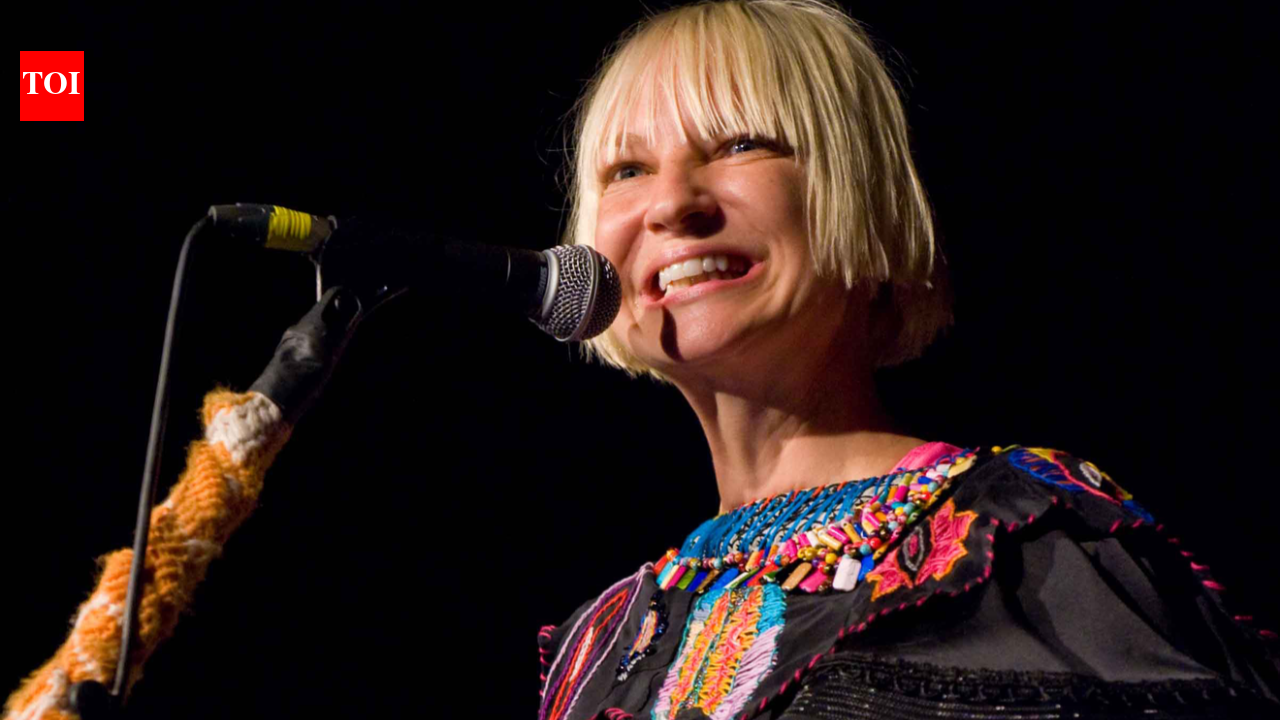
Pop star Sia secretly donated more than $1 million to 19 former contestants of the reality television show Survivor over a period of eight years, according to accounts that have surfaced around the long-running competition series. The recipients reportedly included players who never won the show's grand prize, meaning the money went to people whose time on the island ended without the financial windfall that comes with victory rather than to the headline champions alone. The donations were reportedly made quietly over roughly eight years, with recipients asked to keep the gifts private for much of that time. The story gained public attention only recently, when some of those who received money began speaking about the experience. The singer, known for hits such as Chandelier and for her guarded approach to her own public image, appears to have acted without seeking publicity for the giving.
The context of the story lies in the structure and culture of Survivor, one of the longest-running reality competition franchises in the world. Contestants leave jobs, families and ordinary lives for weeks of physical deprivation and strategic maneuvering, and only the winner takes home the top prize, which in the US edition has stood at $1 million for much of the show's history. Most players return home with nothing beyond their appearance fee and whatever fame or notoriety the show brings. For years, former contestants described a mysterious benefactor who helped them out at difficult moments, but the identity behind that support was not publicly confirmed. The stories remained a kind of open secret within the show's community until the details came out.
The details that have emerged describe gifts that varied widely in size depending on what each former contestant needed, rather than a single uniform payment. Some recipients were reportedly struggling with medical bills, housing costs or other financial pressures, and the donations were said to have arrived at moments when they were most needed. Accounts from some players suggest the giving was handled discreetly, often through intermediaries or without elaborate public gestures. Because the recipients were not all winners, the story differs from the usual narrative of prize money flowing to champions. The singer's identity as the source was reportedly known to recipients themselves, even as the wider public remained unaware.
Reactions from the Survivor community have been largely warm, with former players describing gratitude for support they say came without strings attached. The disclosure has also prompted wider discussion about how reality television contestants are treated after their seasons end, when the cameras stop and the attention fades. Several former contestants have spoken publicly in recent years about the financial and emotional difficulties of returning to ordinary life after the show. The story has been framed by many as an unusual act of generosity in an entertainment culture that often rewards public displays of charity. It also underscores how little financial cushion most contestants have once their season concludes.
The episode fits into a broader conversation about the economics of reality television, where contestants bear significant personal risk while the shows and networks capture most of the long-term value. In India and elsewhere, participants in reality competitions have raised similar concerns about inadequate post-show support and the pressure to monetize their brief fame. The wider trend includes growing scrutiny of how contestants are compensated, insured and cared for during and after production. Against that backdrop, the singer's quiet giving stands out as a private response to a structural gap rather than a public campaign. It also highlights how celebrity philanthropy can operate entirely outside the usual publicity machinery.
Comparisons have been drawn to other cases of anonymous celebrity giving, including musicians and actors who have quietly covered medical costs or tuition for people they had never met. Such stories often surface years later, when recipients or intermediaries decide the time is right to speak, and they tend to generate surprise precisely because no announcement was ever made. In the reality television world, similar though smaller gestures by former contestants toward one another have been reported over the years. What makes this case notable is the scale and duration of the support, spread across many individuals over nearly a decade. The precedent it sets is less about imitation than about the possibility of sustained, unpublicized help.
It remains to be seen whether more recipients will come forward or whether the singer will address the reports publicly; she has not been known for commenting on private charitable acts. Further disclosures could add detail about how the arrangements were made and whether any formal structure supported them. The story is likely to keep attention on questions about contestant welfare, both for Survivor and for reality programming more broadly, and may add momentum to calls for better post-show support. For now, the takeaway for many observers is simpler: a major star chose to help people who had already lost the competition, and did so without asking for credit.