Qatar Renews $8M in UNDP Funding for Crisis Response and Global Development
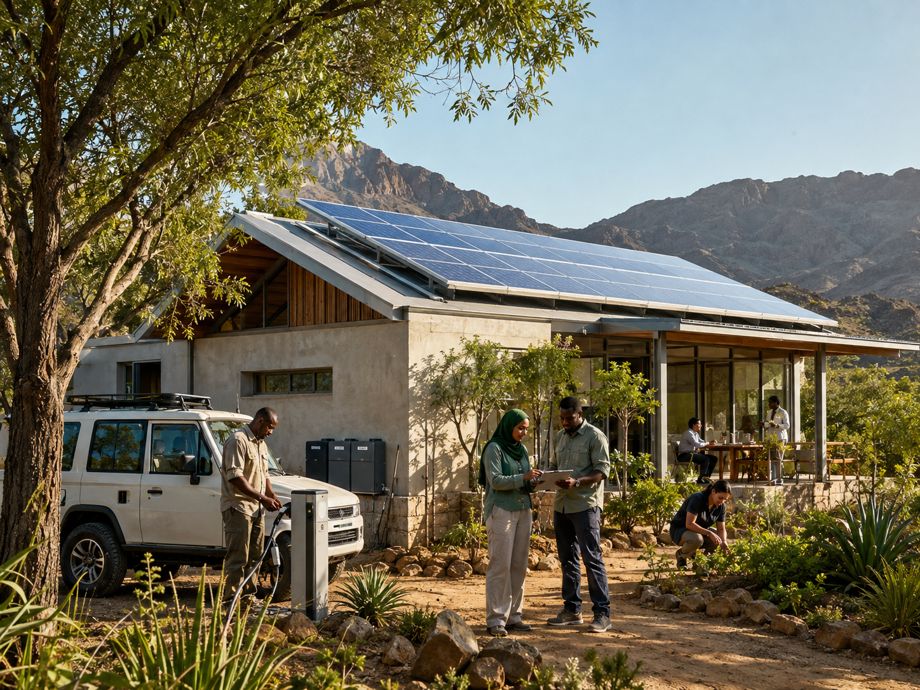
Qatar has renewed its partnership with the United Nations Development Programme by committing US8 million in flexible funding for 2026, extending a collaboration aimed at supporting development programmes and humanitarian recovery efforts in vulnerable communities around the world. The contribution, channelled through the Qatar Fund for Development, gives UNDP predictable, unearmarked resources that the agency can deploy swiftly where needs are most acute. The agreement underscores Doha's continuing role as a financial backer of multilateral humanitarian and development work at a time when global aid budgets face mounting strain. Because the funding is flexible rather than tied to specific projects, it allows UNDP to respond to crises as they emerge rather than weeks after they unfold.
The Qatar-UNDP relationship reflects a broader strategy by the Gulf state to convert its hydrocarbon wealth into diplomatic and humanitarian influence. Through the Qatar Fund for Development, established in 2012, Doha has financed education, health and economic empowerment programmes across Africa, Asia and the Middle East, often partnering with UN agencies rather than acting alone. UNDP, for its part, has increasingly courted flexible funding from Gulf donors as traditional Western partners tighten budgets and shift toward earmarked contributions. The arrangement suits both sides: Qatar gains visibility and goodwill in multilateral circles, while UNDP gains breathing room to allocate resources according to need.
Under the renewed arrangement, the funding is expected to support UNDP's core crisis response and recovery work, including early recovery in conflict-affected countries, livelihoods support, and governance and institution-building programmes in fragile states. Flexible contributions of this kind are particularly valued by UN agencies because they cover gaps that project-specific grants often leave unfunded, such as rapid needs assessments, staffing and the scaling-up of pilots that have proven effective. The Qatar Fund for Development has described its partnership with UNDP as part of a wider effort to advance sustainable development globally, particularly in least-developed and crisis-hit regions, though the precise allocation of the 2026 tranche across countries and programmes has not been detailed publicly.
The renewal is likely to be welcomed within UNDP, which has repeatedly urged donors to increase unearmarked funding as humanitarian needs outpace available resources. Multilateral agencies have warned that flexible contributions are shrinking even as the number of people requiring humanitarian assistance reaches record levels, forcing tough choices about which crises receive attention. For Qatar, the commitment reinforces its reputation as a reliable humanitarian actor, a status it has leveraged in mediation roles from Afghanistan to Gaza and in the hosting of major international conferences. Analysts note that such funding also strengthens Doha's relationships with UN agencies at a time of intense competition among Gulf states for influence in global governance.
The contribution comes amid a difficult period for global development finance. Several major traditional donors have cut or reoriented aid budgets, and UN agencies have warned of significant funding shortfalls affecting operations in multiple regions. Against this backdrop, Gulf donors have become increasingly important sources of humanitarian and development financing, though questions remain about whether their contributions can fill the gap left by Western retrenchment. Flexible funding from a relatively small number of donors now plays an outsized role in allowing agencies like UNDP to maintain core capacities and respond to sudden-onset crises without waiting for earmarked pledges to materialise.
Qatar's partnership with UNDP is not new; the two sides have cooperated for years on crisis response and development programming, with previous QFFD contributions supporting UNDP work in areas ranging from Yemen and Syria to African nations facing climate and conflict shocks. The renewal follows a pattern in which Doha has steadily institutionalised its philanthropy through multilateral channels, including agreements with UN agencies focused on education, health and emergency relief. This approach differs from the large, headline-grabbing pledges some Gulf donors have made, favouring steadier commitments that fund the unglamorous backbone of humanitarian operations, such as coordination, logistics and recovery planning.
Looking ahead, the 2026 funding is expected to allow UNDP to maintain and possibly expand programmes in vulnerable communities while giving the agency greater certainty in planning its crisis response. The two sides are likely to continue discussions on how the funds are allocated across regions and on deepening cooperation in areas such as climate resilience and post-conflict recovery. For Qatar, the renewal cements a role as a consistent multilateral partner; for UNDP, it provides a measure of stability in an otherwise uncertain funding environment. Whether other donors follow suit with comparable flexible commitments will be a key question for global development agencies in the year to come.