LIVE: US Midterms 2026 Results: Final Hours of Voting
Voting is drawing to a close across the United States in the 2026 midterm elections, with polls in the final states set to shut and the first results beginning to flow in from the East Coast. Control of both chambers of Congress, dozens of governorships and thousands of state legislative seats are at stake in contests that will shape the final two years of the current presidential term. The elections are unfolding against an unusually volatile political backdrop, with public attention focused heavily on the economy and on the ongoing military confrontation with Iran. Turnout has been closely watched throughout the day, with election officials in several states reporting heavy participation amid heightened security at polling sites. The results will determine whether the president retains a workable legislative majority or faces a divided government for the remainder of his term.
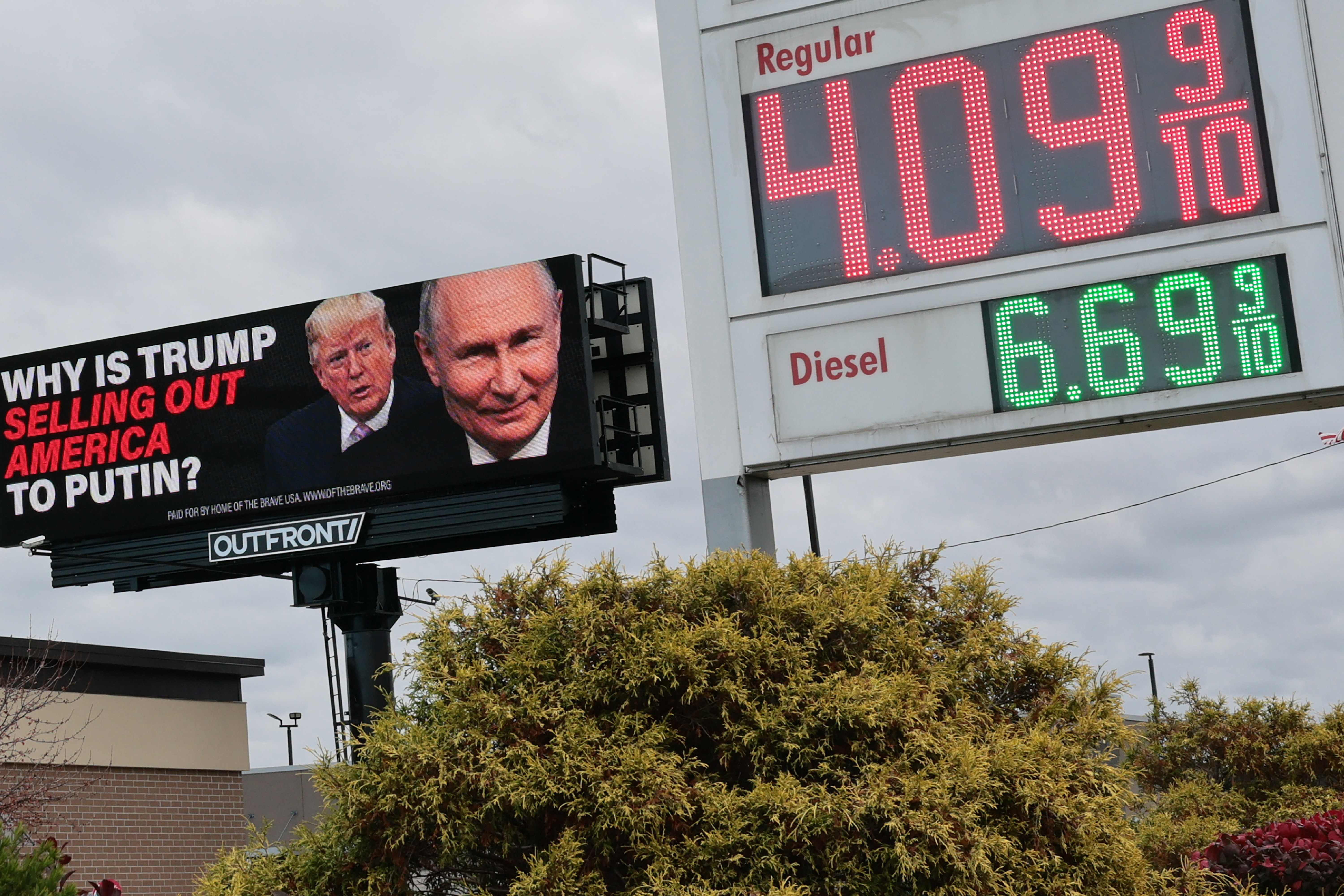
The campaign unfolded in a sharply difficult environment for the governing party. President Trump's approval rating has fallen close to its lowest levels recorded during his time in office, according to aggregated public polling, amid growing public frustration over the war with Iran and rising fuel prices. Economic anxiety has been a dominant theme in campaign advertising and candidate messaging on both sides, with opposition candidates seeking to tie incumbent lawmakers to the cost-of-living squeeze. The war has also stirred debate over foreign policy priorities and the use of military force, issues that have historically divided the electorate. Together, these pressures have made the midterms a referendum not only on individual lawmakers but on the direction of the administration.
Much of the final stretch of campaigning centered on pocketbook concerns. Candidates in competitive districts have clashed over energy policy, the management of fuel supplies and the trajectory of the conflict, with well-established polling indicating that voters rank inflation and household costs among their top priorities. Both parties have poured resources into a relatively small number of swing districts and states expected to decide the balance of power. Early-voting numbers were reported to be substantial in many jurisdictions, though the partisan lean of those ballots will not be clear until they are counted. Election administrators have cautioned that close races may take days to resolve, particularly where mail ballots are counted after Election Day.
Reactions to the unfolding results have been swift and polarized. Party officials and campaign strategists on both sides have been framing expectations carefully, seeking to manage interpretations of early returns before decisive counts are available. Advocacy groups and civil society organizations have emphasized the importance of patience and public confidence in the counting process, warning against premature declarations of victory. Markets and business groups are watching the outcome closely, given its implications for fiscal policy, energy regulation and the conduct of the war. International allies and adversaries alike are monitoring the results for signals about the durability of current US foreign policy.
The midterms fit into a broader pattern of closely contested, high-stakes American elections in which control of Congress has repeatedly shifted. They also arrive at a moment of significant global uncertainty, with energy markets unsettled and the conflict with Iran continuing to shape both domestic politics and international relations. The outcome will influence the legislative agenda on issues ranging from the budget and energy production to oversight of the executive branch and the future course of the war. State-level races carry their own significance, shaping election administration and policy on matters such as abortion, education and taxation. The results will also serve as an early indicator of the political landscape heading into the next presidential election cycle.
Historically, midterm elections during a president's second term have tended to favor the opposition party, a pattern driven by declining presidential approval and voter fatigue with the incumbent administration. The current cycle bears similarities to past elections in which war and economic distress dominated the national conversation, eroding support for the party in power. Analysts have long noted that fuel prices and military casualties are among the most potent forces in American electoral politics, capable of overriding other messages. At the same time, the modern electorate is deeply polarized, and many races may be decided by narrow margins rather than a broad wave. Comparisons with previous midterm cycles will inevitably shape how the results are interpreted in the coming days.
Attention now turns to the vote-counting process and the certification of results, which in several states will extend well beyond election night. Control of the House and Senate may not be known for days or even weeks, depending on the closeness of individual races and the pace of ballot tabulation. Once majorities are determined, Congress will face immediate deadlines on government funding and other legislative business, and the new balance of power will shape those negotiations. Lame-duck sessions, leadership elections and committee assignments will follow, setting the stage for the next legislative year. Whatever the outcome, the results will be read as a verdict on the administration's handling of the war and the economy, with consequences that will extend well beyond Washington.