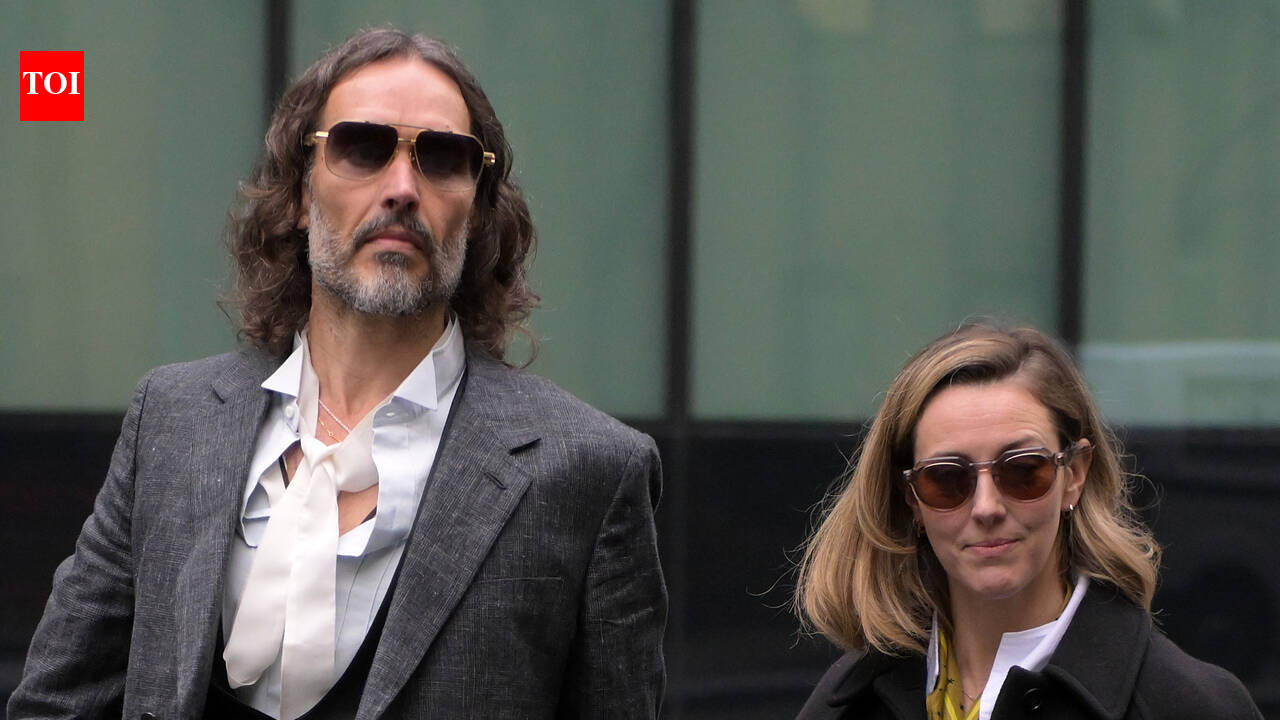
Russell Brand convicted of rape and sexual assault; comedian taken into custody, to receive a prison sentence on Monday
Russell Brand, the British comedian and actor once known for his flamboyant public persona, has been convicted of rape and sexual assault on allegations that date back more than two decades, and was taken into custody following the verdict. The conviction marks a dramatic fall for a performer who rose from stand-up comedy and television presenting to Hollywood film roles and a prominent online commentary career. Reports indicate that he is scheduled to receive a prison sentence on Monday, meaning the case will move swiftly from verdict to punishment. The charges stemmed from allegations spanning a period more than 20 years ago, and the trial weighed serious accusations that Brand had long denied. The outcome places him among the highest-profile entertainment figures in Britain to be convicted in connection with historical sexual offence allegations.
The story has its roots in a period when Brand was one of the most recognisable faces in British entertainment, moving between comedy, radio, television and later major Hollywood productions. Allegations about his conduct surfaced publicly in 2023 through a joint media investigation, which prompted widespread scrutiny and led to a number of women coming forward with accounts. Brand consistently rejected the allegations, maintaining that his relationships had been consensual, and he continued to publish content to his substantial online following even as the controversy intensified. British police subsequently opened investigations, and the matter progressed through the courts over the following months. The conviction now represents the culmination of that lengthy legal process, which has been closely followed by British media and the entertainment industry.
During the proceedings, the court examined allegations relating to incidents said to have occurred more than two decades ago, at a time when Brand's career was in its ascendancy. The case turned on testimony from complainants and on the broader question of consent, which is central to sexual offence prosecutions involving historical allegations. Because the events in question date back so far, the trial necessarily relied on recollections and on evidence assembled long after the fact, a familiar challenge in such cases. The jury's verdict confirmed the prosecution's case, and the judge ordered that Brand be taken into custody ahead of sentencing. Details of the specific counts and the precise circumstances of each allegation remain matters of the court record, and sentencing will determine the length and nature of his punishment.
The conviction has drawn strong reactions across British public life, with advocacy groups that support survivors of sexual violence pointing to the case as evidence that historical allegations can still be pursued successfully through the courts. Figures in the entertainment industry have largely responded with caution or declined to comment publicly, reflecting the sensitivity of the matter and the pending sentencing. Broadcasters and platforms that carried Brand's work have faced renewed questions about their past associations with him, and his online presence, which had grown considerably in recent years, now stands in stark contrast to his legal predicament. The verdict also carries implications for how media organisations handle allegations against powerful celebrities, a subject that has attracted intense debate in Britain since the 2023 reporting.
The case fits into a wider pattern in which high-profile men in entertainment, media and politics have faced reckonings over sexual misconduct allegations, often years after the events in question. Britain has seen a series of such prosecutions and civil disputes in the years since the #MeToo movement reshaped public expectations about accountability, though convictions in historical cases remain relatively rare and legally complex. The Brand case is notable because it involves a figure who had rebranded himself as an independent online commentator with a large audience, and whose public profile remained high even as the allegations loomed. It also underscores the growing willingness of complainants to come forward in cases involving powerful public figures, and the role of investigative journalism in bringing such allegations into the public domain.
Historically, cases involving celebrities accused of sexual offences have often unfolded over extended periods, with investigations, charging decisions and trials stretching across years. The conviction of a well-known entertainer on rape and sexual assault charges is comparatively unusual, and past cases in Britain have sometimes ended without charges or with acquittals, making this verdict significant for those who follow such proceedings. Comparisons have been drawn to other high-profile reckoning cases in the entertainment world, where reputations built over decades have collapsed within months. The Brand case also highlights the difficult evidentiary terrain of historical allegations, where courts must balance the rights of defendants with the need to address serious accusations that may surface long after the fact.
Attention now turns to Monday, when Brand is expected to be sentenced and learn the length of his prison term. His legal team may pursue appeals against the conviction, a step that would prolong the proceedings and keep the case in the public eye. The sentencing hearing will likely address aggravating and mitigating factors, and the judge's remarks are expected to be closely reported given the defendant's celebrity. Beyond the courtroom, the conviction is likely to reshape discussion about accountability in the entertainment industry and about the responsibilities of platforms that amplified Brand's voice. For the complainants, the verdict represents a measure of closure after years of pursuing allegations that Brand had publicly rejected, while for Brand himself the immediate future now involves custody and an expected prison sentence.