Iran Reports More Tanker Fires in Strait of Hormuz
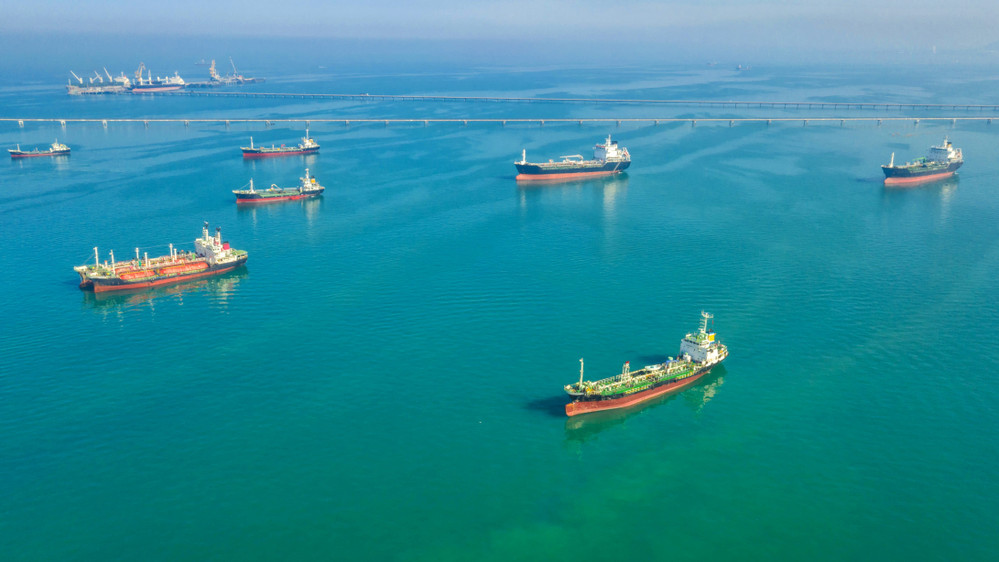
Iran has reported additional fires aboard tankers in the vicinity of the Strait of Hormuz, adding fresh tension to one of the world's most critical maritime chokepoints. The incidents, reported by Iranian authorities and maritime security monitors, involve vessels catching fire near the narrow waterway through which a significant share of global seaborne oil normally passes. The reports come as Middle Eastern oil exports have been trending downward amid regional instability, tighter sanctions environments, and shifting shipping patterns. While the precise causes of the individual fires have not been conclusively established publicly, the pattern of incidents has raised alarms among shipowners, insurers, and energy traders who treat the strait as a barometer of global energy security. The timing is particularly sensitive, coinciding with heightened military and political tensions across the region and growing concern about the safety of commercial navigation.
The Strait of Hormuz has long been the world's most strategically important oil transit corridor, connecting the Persian Gulf producers with markets in Asia, Europe, and beyond. Roughly a fifth of global petroleum liquids consumption has historically moved through the strait, making any disruption there a matter of immediate international economic consequence. In recent years, the waterway has repeatedly been the setting for security incidents, including seizures of tankers, drone and missile attacks on shipping, and mysterious explosions on vessel hulls. Iran's coastline borders the strait's northern shore, giving it substantial military and coast guard presence in the area, and Tehran has consistently framed its posture there as defensive. The cumulative effect of repeated incidents has been to raise insurance premiums for vessels transiting the Gulf and to encourage some operators to reroute or delay voyages.
Details surrounding the latest fires remain partial, with Iranian reports describing incidents involving tankers in or near the strait without fully explaining their origins, while independent maritime security firms have noted elevated risk levels in the area. Shipping traffic data has at times shown vessels altering course or slowing near the chokepoint when security alerts are issued. The international community has repeatedly called for freedom of navigation and the safe passage of commercial shipping, principles that enjoy broad support under international maritime law. Industry bodies representing tanker operators have emphasized the importance of de-escalation and clear communication channels to prevent miscalculation at sea. The lack of a definitive public account of what sparked the fires has left room for competing narratives, a familiar feature of incidents in these waters.
Reactions to the latest reports have underscored the fragile state of maritime security in the Gulf. Energy markets are acutely sensitive to any suggestion that Hormuz traffic could be disrupted, and even unconfirmed incidents can move crude prices and freight rates. Insurers and charterers are likely to reassess risk premiums for voyages through the strait, costs that ultimately feed through to consumers in importing economies. Regional governments and international naval coalitions that patrol nearby waters have stressed the need for restraint and continued coordination to protect commercial vessels. Analysts note that each new incident erodes confidence among shipowners, some of whom weigh the risks of Gulf transits against alternative routes and sources of supply. The cumulative psychological and economic effect of repeated scares can be as significant as any single event.
The tanker fires fit into a broader pattern of deteriorating maritime security across the Middle East at a time when regional oil exports are already under pressure. Production discipline among major exporters, sanctions affecting several producers, and uncertainty about demand have all contributed to lower export volumes from the region. Simultaneously, the militarization of key waterways, including the Red Sea and the Gulf, has forced shipping companies to make costly adjustments to routes and security arrangements. The combination of reduced export flows and elevated security risk creates a difficult environment for producers who depend on stable seaborne trade. Global energy markets, meanwhile, are watching whether the incidents presage a more sustained disruption or remain isolated events. The stakes extend beyond oil, touching on global inflation, food security, and the broader architecture of maritime trade.
History offers sobering parallels for the current situation. The Strait of Hormuz has weathered repeated crises over decades, including the tanker war of the 1980s during the Iran-Iraq conflict, when hundreds of vessels were attacked and major navies intervened to escort shipping. More recently, episodes involving seized tankers and attacks on vessels have periodically jolted markets and prompted international naval deployments. Each crisis has tested the resilience of global supply chains and the ability of regional and outside powers to manage escalation. Past experience suggests that even limited incidents can produce outsized economic reactions when they occur at a chokepoint with few viable alternatives. It also shows that de-escalation and diplomatic channels, however strained, have repeatedly proven essential to restoring confidence.
What happens next will depend on whether the incidents are deemed isolated accidents or part of a sustained campaign of disruption, and on how regional and international actors respond. Maritime security authorities are likely to issue updated advisories to shipping, and insurers may adjust risk assessments for Gulf transits in the coming days. Diplomats face pressure to establish or maintain channels of communication to prevent a single incident from spiraling into a wider confrontation. Shipowners will weigh whether to continue transits, add security measures, or divert, decisions with direct consequences for freight and energy costs. With Middle Eastern oil exports already subdued, the world will be watching closely whether calm returns to Hormuz or whether the latest fires mark another step in a troubling pattern.