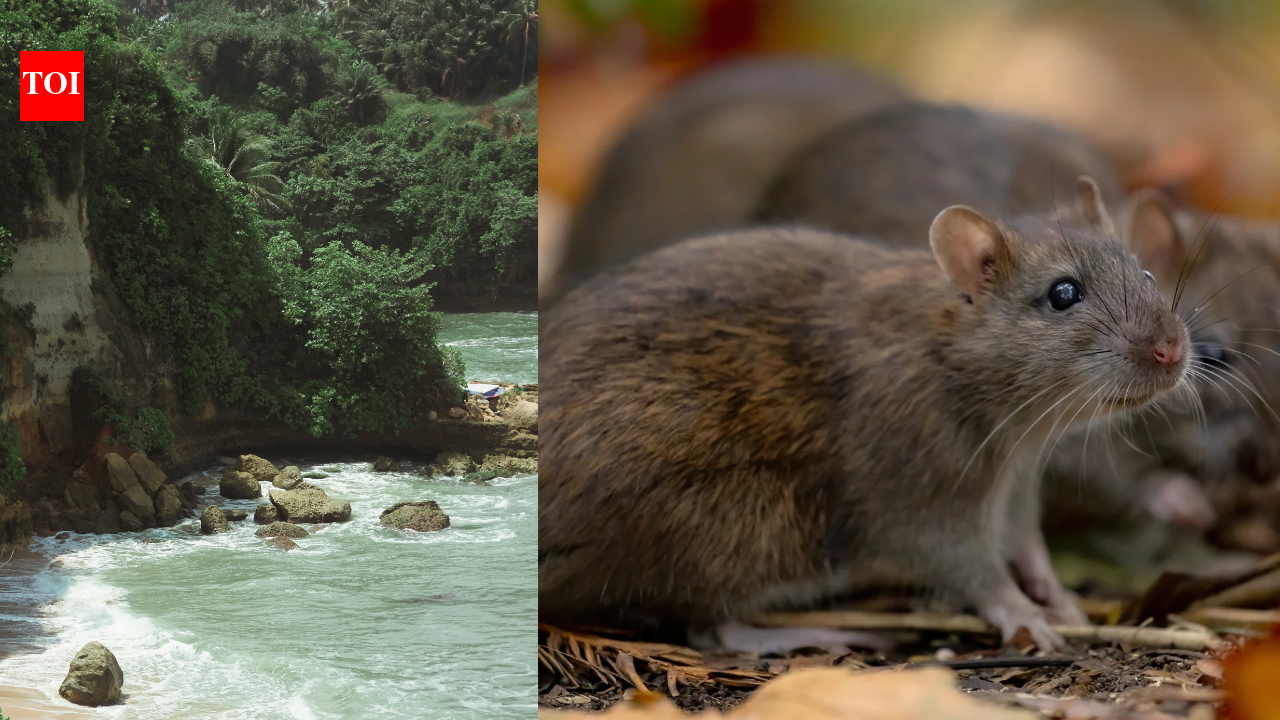
US wildlife teams surveyed six offshore islands for invasive species, finding rats on five and iguanas on one; the results will guide future work to protect nesting seabirds
A survey conducted by US wildlife teams across six offshore islands has found invasive rats on five of them and iguanas on one, findings that authorities say will shape future efforts to protect vulnerable nesting seabird populations. The assessment focused on remote islands that are valued as relatively undisturbed refuges for wildlife but that remain exposed to non-native species arriving by boat, on drifting debris, or through other human-linked pathways. The presence of rats is particularly concerning because the rodents are known to prey on seabird eggs and chicks and can devastate colonies that nest on the ground or in burrows. Officials described the survey as a planning exercise intended to establish where invasive species are present before any decisions are made about how to respond. The results will guide future work to safeguard nesting seabirds, though the agencies involved have not announced specific removal or eradication plans.
Islands are often considered safe havens for wildlife, away from the rushing development of humanity, particularly for seabirds that depend on remote and inaccessible places to breed. Species such as albatrosses, petrels, and shearwaters often return to the same islands year after year, nesting in dense colonies that make them especially vulnerable to introduced predators. Because seabirds typically raise only one chick per season and invest heavily in each one, even modest losses to predation can translate into serious population declines over time. Rats are among the most destructive invasive species on islands worldwide, capable of swimming between landmasses and surviving on scarce food. Iguanas, while less directly threatening to seabird eggs, can nonetheless disrupt island ecosystems through competition for food and habitat disturbance.
The survey work reflects a well-established practice among conservation and wildlife agencies of systematically checking remote islands for signs of non-native animals. Teams typically look for tracks, burrows, droppings, and direct sightings to determine which species are present and how widely they have spread. The split findings, with rats detected on five islands and iguanas on a single island, suggest that the incursions are not uniform and that each island may require a different approach. The agency has not publicly detailed the size of the rat populations or how long they may have been established. Nor has it specified which islands were surveyed or whether any of the seabird colonies are currently showing signs of decline.
Reactions to the findings have centered on the importance of early detection rather than alarm, with the survey framed as a step toward informed management. Conservation advocates have long argued that invasive species removal on islands is among the most cost-effective tools available for protecting seabirds, provided it is done carefully and with attention to native species. The implications extend beyond birds, since island ecosystems are tightly linked and the removal of one invasive species can affect others. Any future intervention would need to weigh the risks of rodenticides or trapping programs against the benefits to nesting birds. The findings also underscore how difficult it is to keep even remote islands free of invasive species once they arrive.
The survey fits into a broader and increasingly urgent global effort to combat invasive species on islands, which scientists regard as a leading driver of biodiversity loss alongside habitat destruction and climate change. Island bird populations face compounding pressures, including rising sea levels, more severe storms, and shifts in ocean food supplies that affect breeding success. In that context, reducing predation pressure from invasive mammals is seen as one of the few threats that managers can realistically address on the ground. Many island nations and conservation groups have undertaken large-scale eradication campaigns in recent decades, with mixed but often encouraging results. The new survey adds to a growing body of site-specific data that managers use to prioritize where limited resources should go first.
Historically, islands have served as cautionary examples of how quickly introduced species can transform ecosystems, with rats in particular spreading across archipelagos aboard ships and establishing populations that proved nearly impossible to dislodge. Past eradication efforts on islands elsewhere have shown that removing invasive mammals can allow seabird colonies to recover, sometimes within a few breeding seasons. Those successes have depended on rigorous planning, including ensuring that native species are not harmed and that biosecurity measures prevent reinvasion. Failures have typically come when a single pregnant female or a small remnant population survived and repopulated an island. The lessons from those campaigns are likely to inform how the new survey results are used.
What happens next will depend on further assessment, with wildlife teams expected to use the survey findings to prioritize islands for closer monitoring and to weigh options for managing the invasive populations. Any removal effort would require environmental review, consultation with relevant authorities, and planning for biosecurity to keep the islands from being reinvaded after the work is done. Officials have not indicated a timeline or committed to specific interventions, and the survey is best understood as a foundation for decisions still to come. For now, the results serve as a reminder that even islands far from mainland development are not automatically safe for the seabirds that depend on them. How aggressively the findings are acted upon will determine whether these remote refuges remain viable breeding grounds in the years ahead.