
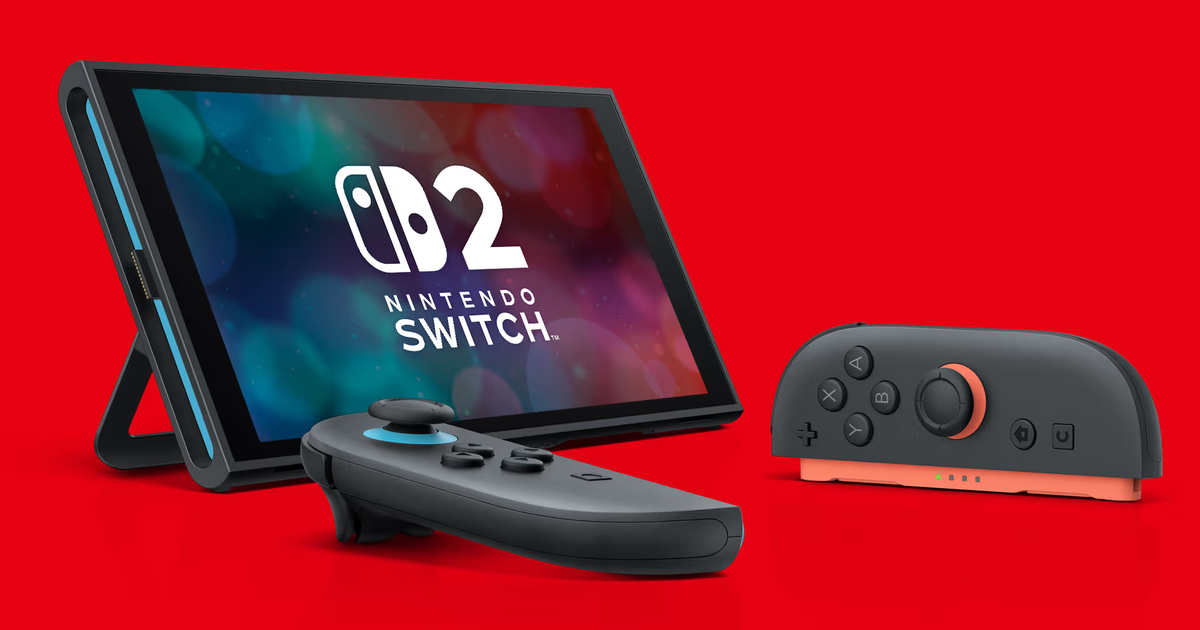
Nintendo game sales surge thanks to Tomodachi Life: Living the Dream, but Switch 2 hardware suffers big decline
Nintendo has reported a solid first half for its current fiscal year, with software sales surging on the strength of Tomodachi Life: Living the Dream even as Switch 2 hardware sales fell sharply compared with the same period a year earlier. The Japanese gaming giant said overall revenue held up thanks to strong demand for first-party titles, with the life-simulation game emerging as the standout performer of the period. The divergence between robust software numbers and a steep hardware decline has become the central story of Nintendo's latest earnings disclosure, drawing attention from investors and industry analysts alike. The results cover the six-month window of Nintendo's fiscal year, a period in which the company has been managing the transition toward its newer console while continuing to support a large installed base.
The context for these results lies in the unusual position Nintendo occupies as both a hardware maker in the middle of a platform transition and a publisher with an exceptionally deep software pipeline. Tomodachi Life: Living the Dream, a new entry in the company's quirky life-simulation series, has resonated strongly with players, driving digital and retail software purchases across the period. Nintendo has long relied on a handful of evergreen franchises to sustain momentum between major releases, and its current lineup has performed that role effectively. At the same time, the hardware side of the business has faced tougher comparisons, with the prior year benefiting from launch-window demand for the Switch 2 that was always unlikely to be repeated at the same pace.
Nintendo attributed the software strength to a broad slate of releases rather than a single title, though the performance of Tomodachi Life: Living the Dream was clearly the largest single contributor. The company has not disclosed granular unit figures in its public commentary beyond the headline totals, and analysts have noted that first-party software attach rates remain a key metric to watch. Hardware shipments declined significantly year over year, a drop Nintendo has framed as a normalization following an exceptionally strong launch period rather than a sign of weakening demand. The company continues to describe the Switch 2's installed base as healthy and growing, even as the pace of new console purchases has slowed.
Reaction to the results has been mixed but broadly measured, with investors welcoming the resilience of software revenue while flagging the hardware trajectory as a risk to monitor. Industry observers have pointed out that Nintendo's business model increasingly depends on selling games to an existing base rather than on expanding that base rapidly, which makes hit titles like Tomodachi Life: Living the Dream disproportionately important. The strong software performance also helps offset margin pressure that typically accompanies hardware price competition and promotional activity. Some analysts have suggested the divergence reflects a maturing console cycle in which the install base is large enough to generate reliable software income even as new unit sales taper.
The results fit into a broader pattern across the games industry, where platform holders are leaning heavily on software, services, and subscriptions to sustain revenue as hardware cycles mature. Nintendo's competitors have faced similar questions about how to keep players engaged between console generations, and the company's answer has long been its distinctive first-party catalog. The success of a life-simulation title in this environment underscores how Nintendo's software appeal extends beyond its flagship action and adventure franchises. It also highlights the growing importance of digital distribution, which allows a single popular title to generate sustained revenue across a wide installed base without requiring new hardware purchases.
Historically, Nintendo has navigated similar transitions before, most notably during the long tail of the original Switch, when hardware sales eventually slowed while software continued to perform strongly for years. The company's experience with evergreen titles such as Animal Crossing and its life-simulation cousins demonstrates that a well-received game can sell steadily long after launch. Past cycles have shown that hardware declines do not necessarily translate into overall business weakness if the software lineup remains compelling. The current period echoes those earlier transitions, with Nintendo again relying on its publishing strength to carry results through a softer hardware stretch.
Looking ahead, Nintendo is expected to focus on sustaining software momentum through the rest of the fiscal year, with additional releases and continued support for Tomodachi Life: Living the Dream likely to feature in its plans. The company will also be watched closely for any signals about hardware pricing, bundles, or promotional strategies aimed at reviving console sales during the crucial holiday period. Analysts will be looking to the next earnings report for evidence of whether the hardware decline is a temporary dip or a longer-term trend. Nintendo has consistently emphasized that its platform strategy is measured over years rather than quarters, and the coming months will test whether its software-led approach can keep overall results on an even keel.