Woman, 22, Killed By Father, Brother After Video With Man Goes Viral
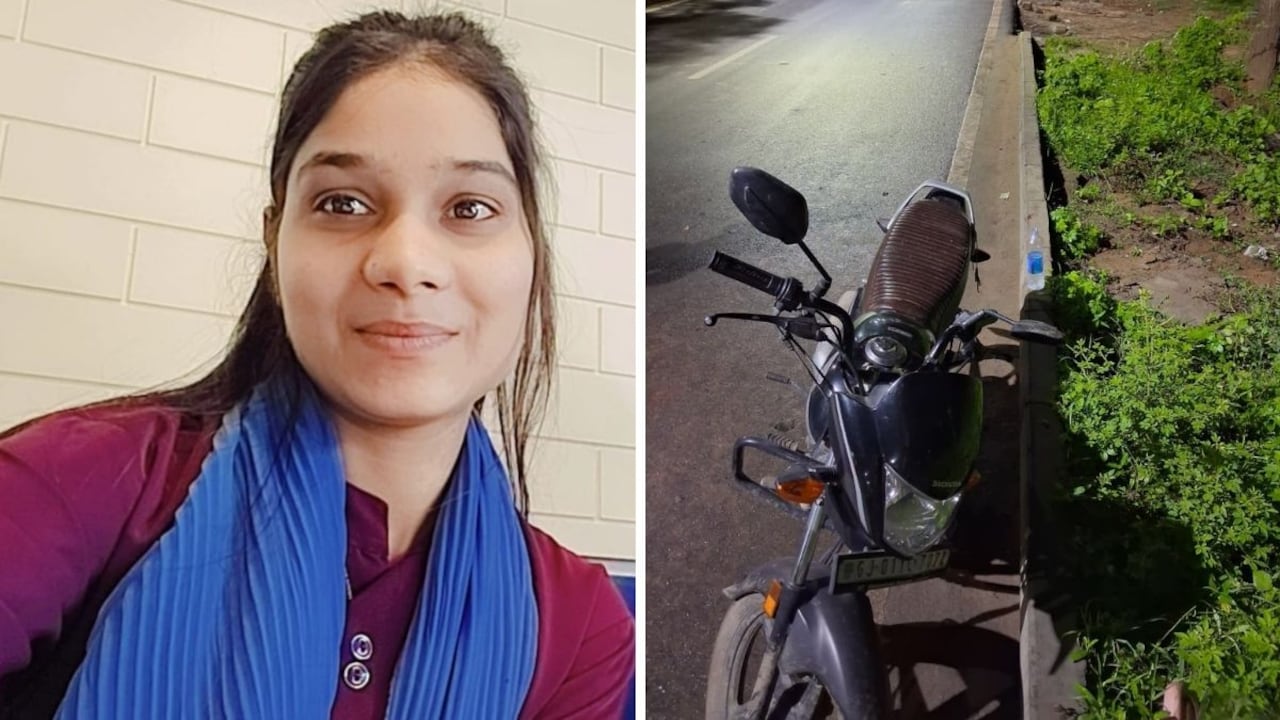
A 22, year, old woman, identified locally as Sofia and known to have worked as a receptionist at a hospital, was brutally killed in what authorities describe as an honor killing perpetrated by her father and brother after a private video of her with a young man spread rapidly across social media platforms. The incident occurred in a residential area where the family lived, with police responding to a distress call late in the evening to find the woman’s body bearing multiple injuries from what preliminary reports suggest was a blunt, force attack. Law enforcement officials have since taken the woman’s father and brother into custody, and a formal case of murder has been registered against them under relevant sections of the law. Neighbors reported hearing raised voices and commotion emanating from the family home earlier in the day, but the situation escalated only after the video clip had been widely circulated within the community. Police have stated that the primary motive appears to be the family’s perception of dishonor brought upon them by the woman’s association with the man, who remains unidentified and is currently being traced for questioning.
The viral video, which appears to have been recorded on a mobile phone and shared across multiple messaging applications, reportedly showed Sofia in a public setting with a male companion, and it was this footage that triggered the fatal chain of events. Although the exact circumstances under which the video was filmed remain unclear, sources familiar with the investigation say that the woman had been facing intense family pressure in the days leading up to the attack. Sofia had reportedly left her job at the hospital months earlier and had been living under increasing restrictions imposed by her relatives, who were monitoring her movements and communications. Police have confirmed that the father, a man in his fifties, and the brother, reportedly a few years older than the victim, confessed during initial interrogation to carrying out the act together, claiming they acted to restore family honor. No formal complaint had been filed by Sofia prior to the incident against any family member, and there were no visible signs of prior physical abuse noted by her former colleagues, though several have since come forward to describe her as withdrawn and anxious in recent weeks.
The case has drawn widespread condemnation from civil society groups and women’s rights activists, who have called for the authorities to treat the killing as a grave violation of fundamental rights rather than a private family matter. Local officials have promised a fast, tracked investigation, and the state police have said that they will rely on forensic evidence, including autopsy results and digital analysis of the viral video, to build a robust prosecution case. A senior police officer, speaking on condition of anonymity, indicated that the accused have been kept in separate cells to prevent collusion and that their mobile phones and other digital devices have been seized for examination. Meanwhile, the man seen with Sofia in the video has been identified by investigators through technical surveillance, and he has been asked to appear for a statement to ascertain whether he had any knowledge of the threats she faced. Several neighborhood residents have reportedly expressed shock at the brutality of the killing, with some admitting that they had seen the video but did not alert authorities due to fear of getting involved in a domestic dispute.
This tragedy underscores a disturbing and persistent pattern across parts of India where young women are subjected to extreme violence by their own relatives over perceived romantic or social transgressions, often following the digital shaming of private moments. Legal experts point out that while the country has specific legislation addressing crimes committed in the name of honor, the enforcement remains inconsistent, and many such cases are initially misclassified as suicides or accidents. The National Commission for Women has issued a statement urging state authorities to invoke the strongest possible charges, including provisions related to abetment of suicide if evidence emerges that the woman was driven to desperation before the attack. Activists have also drawn attention to the role of social media platforms in amplifying such private content, arguing that quicker takedown mechanisms could prevent the escalation of public humiliation into deadly violence. The incident has reignited public debate on the need for stricter cyber safety laws, particularly with respect to non, consensual sharing of intimate images, which remains a largely underreported and under, prosecuted offense.
The killing is part of a broader and deeply concerning trend documented over the past decade, wherein hundreds of young women across the country have lost their lives at the hands of family members in so, called honor, related violence. Data from the National Crime Records Bureau indicates that such killings, while fluctuating year to year, continue to occur predominantly in rural and semi, urban regions, though this case highlights that they are by no means absent from more urbanized settings. Sociologists note that the phenomenon is often linked to deeply entrenched patriarchal norms, where a woman’s autonomy over her own body and social relationships is viewed as a direct challenge to male authority. In recent years, several state governments have introduced dedicated helplines and special investigation units to handle such cases, but implementation gaps remain, with many victims failing to seek help due to social isolation and a lack of trust in law enforcement. This latest incident also points to the growing intersection of conventional honor codes with modern technology, where a single viral clip can act as a trigger for violence that might have otherwise remained latent.
Historically, similar cases have shaken public conscience and prompted occasional legal reforms, such as the landmark Supreme Court judgment that broadened the definition of cruelty and affirmed that a woman’s choice of partner is her fundamental right. In a notable case from a neighboring state a few years ago, a young couple was brutally attacked by the woman’s relatives, leading to a national outcry and subsequent directives to all states to prevent such crimes through community policing. However, convictions in honor killing cases remain relatively rare, as family members often pressure witnesses to retract statements, and because the accused are frequently granted bail on the grounds of being primary breadwinners or first, time offenders. Legal scholars have repeatedly called for trial courts to treat honor killings as aggravated forms of murder deserving of the sternest punishment, but appellate courts have sometimes softened sentences, citing family reconciliation efforts. The current case has drawn comparisons to two or three other high, profile incidents from the last year, all of which involved the circulation of videos on platforms like WhatsApp and Instagram before a fatal outcome, yet none have resulted in systemic changes to platform accountability.
Moving forward, the immediate focus will be on the judicial process, with the accused expected to be produced before a magistrate in the coming days for formal remand, and the state’s forensic team likely to submit a comprehensive report within weeks. The victim’s body has been retained for post, mortem examination, and authorities have said they will ensure a dignified burial once procedures are complete, though the family has refused to claim the remains. The case is also set to be reviewed by the state’s women’s grievance cell, which has the authority to recommend compensation for the victim’s dependents and to demand a status report from the police every fortnight. Beyond the courtroom, however, the incident serves as a grim reminder that law alone cannot dismantle the deep, rooted social attitudes that enable such violence, and civil society leaders have urged schools and local governance bodies to initiate conversations around gender equality and digital literacy. While the brother and father face the prospect of life imprisonment if convicted, the broader societal reckoning over the value placed on a woman’s life versus a constructed notion of family honor will likely remain an unresolved and painful challenge for the nation for years to come.