
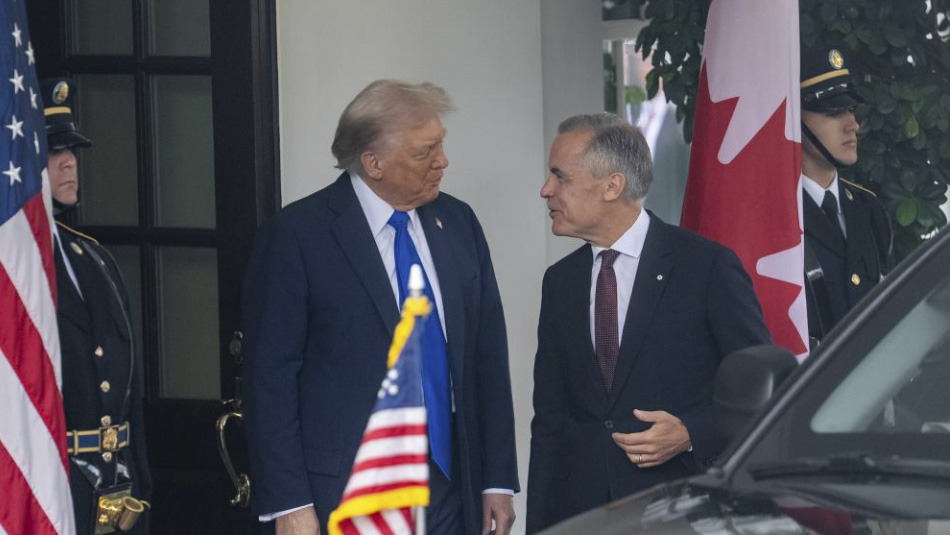
Trump bans Canadian liquor, dairy goods as trade war escalates
The United States has formally ordered sweeping import bans on a broad range of Canadian goods, including alcoholic beverages, dairy products, and motorcycles, in a dramatic escalation of the ongoing trade confrontation between the two neighboring nations. The executive action, announced by President Donald Trump from Washington, will take effect at 12:01 a.m. Eastern time on September 29, according to official statements released on Monday. This decisive move targets key sectors of the Canadian economy, specifically hitting the provinces of Quebec and Ontario, which are major producers of the affected goods. The administration has framed the bans as a retaliatory measure against longstanding Canadian trade practices that Washington considers unfair and protectionist.
The announcement marks the latest and most aggressive phase in a bitter dispute that has simmered for months, primarily revolving around tariffs on steel and aluminum but now expanding into entirely new industries. The White House has long criticized Canada’s supply, managed dairy system, which imposes high tariffs on imported products and limits market access for American farmers. Similarly, the administration has pointed to provincial liquor monopolies and distribution rules as non, tariff barriers that disadvantage US producers. By targeting these specific categories, the executive order appears designed to apply maximum political and economic pressure on Canadian officials ahead of critical renegotiations of the North American Free Trade Agreement, which remain stalled over fundamental disagreements on these very issues.
The specific scope of the bans includes a comprehensive prohibition on the importation of Canadian, made beer, wine, and spirits, a move that could severely disrupt cross, border supply chains for major beverage conglomerates. Dairy products, ranging from fluid milk to cheese and cream, are also covered under the order, representing a direct challenge to Canada’s protected quota system. Additionally, the ban includes certain classes of motorcycles, a nod to complaints from US manufacturers about technical regulations regarding vehicle standards. The penalties for violating these import restrictions are expected to be severe, with customs officials instructed to seize any goods attempting to enter the country under the proscribed categories. Trade analysts note that the September 29 date appears strategically chosen, falling just before the end of the third quarter and coinciding with the peak pre, holiday shipping season for many of these products.
Reactions to the announcement have been swift and largely negative, with industry groups on both sides of the border expressing alarm over the potential economic fallout. Canadian officials have decried the move as a "reckless and illegal" action under international trade law, vowing to respond with countermeasures of their own. Provincial leaders in Quebec and Ontario, the primary producers of the affected goods, have called for immediate federal intervention. Major US restaurant and hotel associations have warned that the ban could lead to supply shortages and higher prices for consumers, particularly for popular Canadian whisky and specific cheese varieties. Meanwhile, dairy farmers in the American Midwest have cautiously praised the administration for taking a tougher stance on what they see as an unlevel playing field.
This escalation fits into a broader pattern of aggressive unilateral trade actions taken by the administration against not only Canada but also other major trading partners, including the European Union and China. The President has repeatedly characterized tariffs and bans as essential tools to correct trade deficits and revive domestic manufacturing, even when such actions risk alienating key allies. The move comes alongside existing US tariffs on Canadian steel and aluminum, which has already prompted retaliatory tariffs from Ottawa on a wide range of American products, from ketchup to washing machines. The simultaneous pressure on multiple fronts suggests a deliberate strategy of disruption, aimed at forcing a comprehensive realignment of trade relationships on Washington’s terms.
Historically, trade disputes between the US and Canada have rarely escalated to the level of total product bans, with both nations traditionally relying on dispute resolution mechanisms under NAFTA or the World Trade Organization. The last major confrontation involving dairy products occurred in the late 1990s over wheat and dairy quotas, which was eventually settled through arbitration panels. However, the current dispute is unique in its scope and political tenor, drawing direct comparisons to the "Smoot, Hawley Tariff Act" of 1930, which is widely condemned by economists for deepening the Great Depression through retaliatory trade barriers. The motorcycle ban, in particular, echoes a past dispute with Europe over Harley, Davidson tariffs, though that conflict involved tariff increases rather than outright prohibitions. The aggressive nature of the present order suggests that the traditional playbook of diplomatic negotiation has been largely abandoned in favor of public confrontation.
Looking ahead, the immediate focus turns to the next few weeks as businesses scramble to understand the full implications of the order and governments brace for a potential trade war. Canada is widely expected to announce a list of retaliatory tariffs on specific US goods, likely targeting politically sensitive states in the American heartland. There is also speculation that Canadian officials may challenge the legality of the bans before the WTO, though such a process would take years to resolve. Negotiations on the North American Free Trade Agreement are scheduled to resume shortly, but the atmosphere is now heavily poisoned, making a breakthrough seem unlikely before the deadline. The ultimate impact will be felt by consumers on both sides of the border, who face fewer choices and higher prices for many staple goods, as the September 29 implementation date rapidly approaches.