Govt eyes ethanol blending beyond E20 with flex, fuel vehicles, says PM advisor
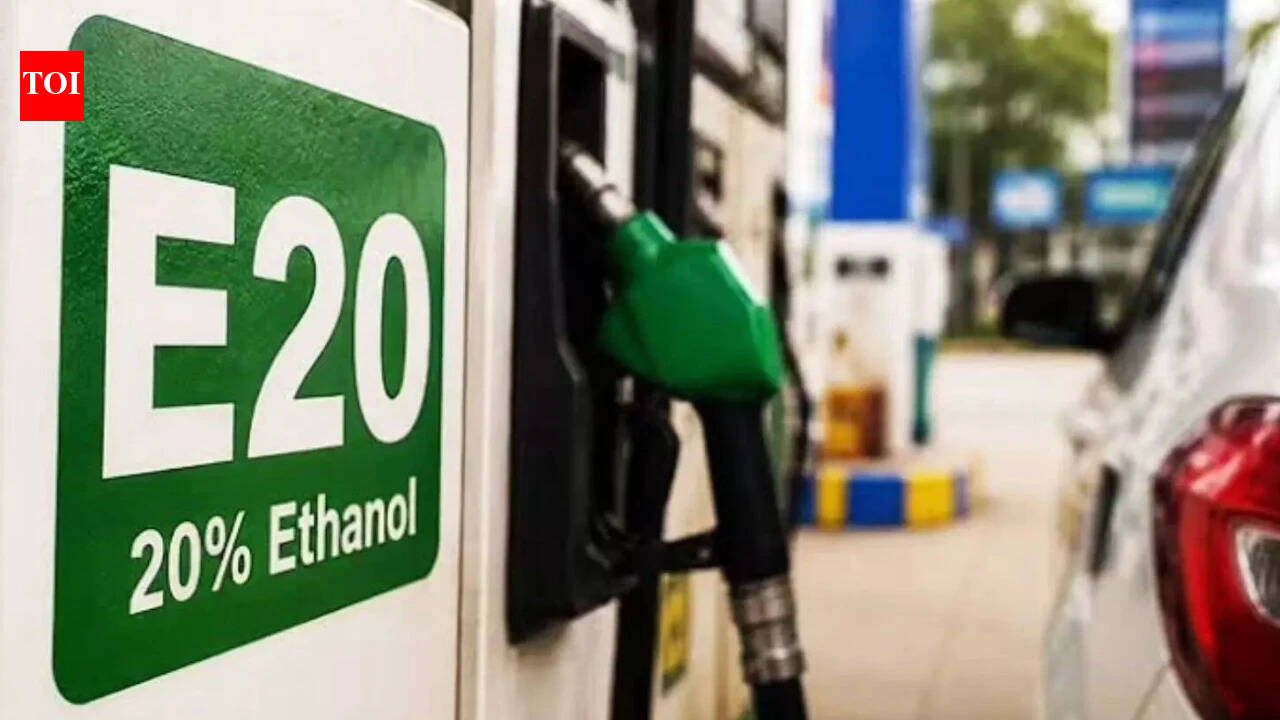
The government is now actively planning to move beyond its existing target of blending 20 percent ethanol with petrol, with a senior advisor to the Prime Minister indicating that the success of this milestone has opened the door for an even more ambitious roadmap. The transition to higher ethanol blends, potentially up to 40 or 50 percent, is being considered as the domestic market prepares for the widespread introduction of flex, fuel vehicles, which can operate on a much wider range of ethanol, petrol mixtures. This strategic shift is aimed at reducing the nation’s crude oil import bill, bolstering energy security, and providing a significant economic boost to the agricultural sector, particularly sugarcane and maize farmers. The announcement comes at a time when India has already achieved nearly a 20 percent blending rate, a feat accomplished well ahead of the original 2030 deadline, which was later advanced to 2025. The focus now shifts to the automotive industry’s readiness and the need for a robust supply chain to support a higher ethanol economy.
The background to this development lies in India’s long, standing effort to wean itself off expensive fossil fuel imports, which account for a substantial portion of its energy needs. Launched in 2003, the ethanol blending programme has evolved through multiple phases, with the government setting progressively higher targets and incentivizing distilleries to expand their capacity. The initial target of 5 percent blending took over a decade to achieve, but a concerted policy push, including differential pricing and a ban on the diversion of sugarcane juice for sugar production, accelerated progress dramatically. The recent achievement of the E20 target, which refers to a 20 percent ethanol mix, was a landmark moment, positioning India among the leading nations in the biofuel space. The government’s new ambition signals that the current achievement is merely a staging post in a longer journey toward a cleaner and more self, reliant fuel regime.
According to officials familiar with the matter, the feasibility of moving to E30 or even E50 blends is currently being studied, with the primary prerequisite being the mass adoption of flex, fuel engines by car manufacturers. While the government has already mandated that new vehicles need to be E20, compliant from April 2025, the next logical step involves encouraging the production of vehicles that can handle much higher ethanol concentrations. Several global and domestic automakers have begun showcasing flex, fuel prototypes in the Indian market, but their commercial launch is contingent on clear policy signals regarding fuel pricing and availability. The advisor emphasized that the infrastructure for ethanol production is expanding rapidly, with new distilleries coming online and the government actively promoting the use of alternative feedstocks, including broken rice and corn, to ensure year, round supply. However, officials have cautioned that the timeline for the next phase will depend on a careful assessment of vehicle compatibility, engine warranty issues, and the environmental impact of higher blends on the existing vehicle fleet.
Industry reactions have been largely positive but cautious, with stakeholders linking the success of the next phase to a stable and predictable policy framework. Automakers have pointed out that flex, fuel vehicles cost slightly more to produce due to the need for advanced engine components and corrosion, resistant fuel systems, which may require tax incentives to ensure consumer uptake. Meanwhile, petroleum marketing companies are evaluating the logistics of storing and dispensing higher ethanol blends at retail outlets, a process that requires modifications to underground tanks and dispensing units. On the agricultural front, farmer unions and cooperative sugar mills have welcomed the move, seeing it as a crucial mechanism to absorb surplus sugar production and provide a secondary source of income. The broader implication is that a higher blending target could significantly reduce carbon emissions from the transport sector by an estimated 15 to 20 percent per vehicle, aligning neatly with India’s commitments under the Paris climate accord.
This initiative fits into a larger global trend where nations are using biofuels to complement electrification in the fight against climate change, rather than treating them as competing strategies. Brazil, for example, has pioneered the use of flex, fuel technology for decades, running a large percentage of its fleet on E85 or higher, while the United States has made E15 and E85 widely available. India’s approach also mirrors its evolving energy mix, where the government is pushing for a significant increase in natural gas, renewable power, and hydrogen alongside biofuels. The push for higher ethanol blends is also seen as a strategic buffer against geopolitical volatility in oil markets, allowing India to have a greater control over its energy pricing. Furthermore, it supports the government’s broader “Make in India” initiative, as the development of indigenous flex, fuel technology would reduce dependence on imported components for advanced combustion engines.
Looking at historical comparisons, India’s ethanol journey has been marked by fits and starts, with the program nearly collapsing a decade ago due to inconsistent supply and unattractive pricing for distilleries. The turnaround began around 2018 when the government implemented a comprehensive Ethanol Blended Petrol programme, introducing a mechanism for oil marketing companies to sign long, term purchase agreements with distilleries. The remarkable acceleration from a mere 1.5 percent blending in 2014 to the current 20 percent level is a testament to how administrative will can overcome infrastructural bottlenecks. This experience has taught policymakers that setting ambitious targets is only half the battle, with the real challenge being the concurrent development of feedstock availability, conversion capacity, and consumer awareness. As the government considers E40 or E50, it will need to avoid the pitfalls of the past, particularly the risk of a poor monsoon season which could divert ethanol feedstocks toward food security needs.
What happens next will be determined by a series of high, level meetings scheduled in the coming months, where the government is expected to unveil a draft roadmap for the post, 2025 ethanol scenario. The focus is likely to be on a phased introduction, starting with mandatory flex, fuel engine production for select vehicle segments, followed by an expansion of retail infrastructure in major metropolitan areas and sugar, producing states. An expert committee is currently evaluating the technical performance of higher blends in Indian climatic conditions, with results expected to guide the final policy announcement. The government is also expected to clarify the pricing structure for ethanol derived from different feedstocks, ensuring that farmers receive a fair remuneration while keeping fuel costs competitive for consumers. In the long term, the success of this policy could transform India into a global hub for ethanol production and flex, fuel technology, significantly altering the landscape of its automotive and energy industries over the next decade.