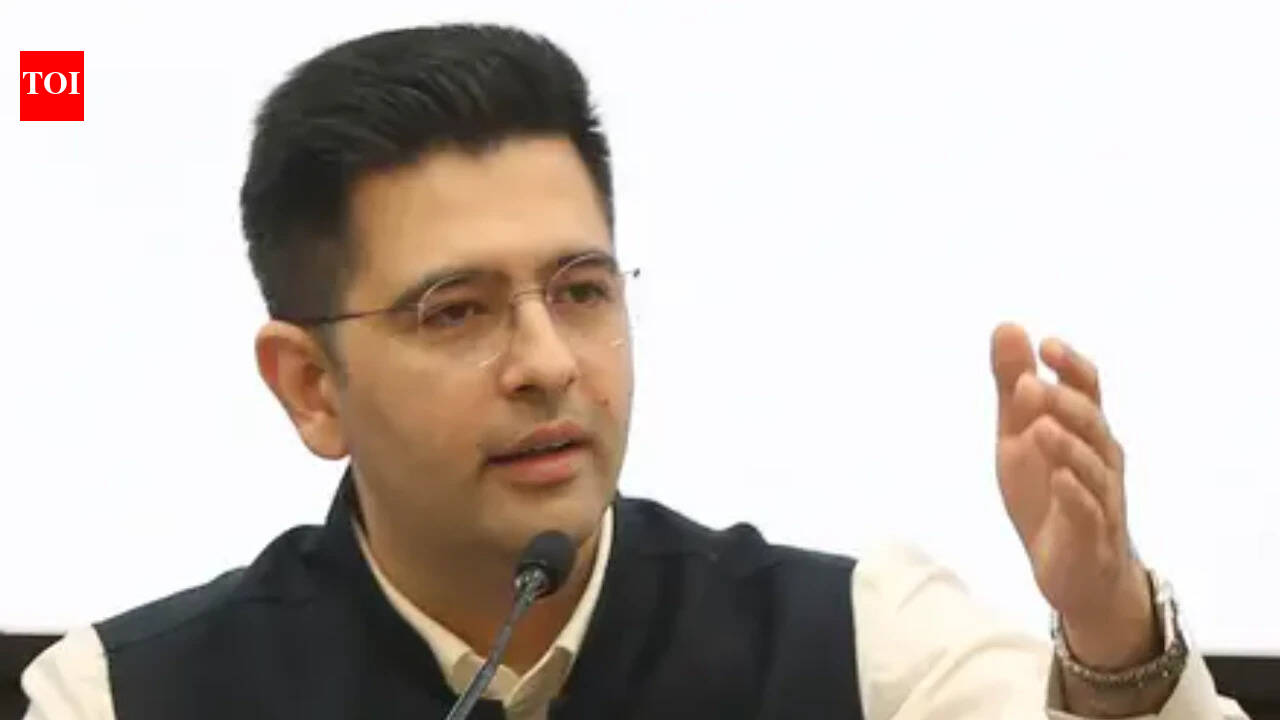
Andhra Pradesh steps up EV push with new incentives, says Transport Minister Ramprasad Reddy

The Andhra Pradesh government has significantly intensified its commitment to sustainable mobility by unveiling a comprehensive new package of incentives designed to accelerate the adoption of electric vehicles across the state. Transport Minister Ramprasad Reddy announced the initiative, which specifically targets both manufacturers looking to set up operations and consumers seeking to purchase EVs, marking a strategic shift in the state’s industrial and environmental policy. The announcement was made during a recent industry briefing in Amaravati, where the Minister detailed the government’s vision for a cleaner, more technologically advanced transport ecosystem. This new policy framework is positioned as a cornerstone of the state’s broader agenda to position itself as a leading hub for green technology and manufacturing, address rising urban pollution levels, and reduce the substantial financial burden of fuel imports. By directly addressing the cost barriers that have historically hindered EV uptake, the government is signaling a decisive move from mere advocacy to tangible action.
The new incentive structure comes as a direct response to the evolving dynamics of India’s automotive sector, which has seen a surge in interest but a lag in adoption due to high upfront costs and inadequate charging networks. Minister Reddy’s announcement builds upon previous pilot projects, such as the early introduction of electric buses in select city routes, which provided crucial data on operational challenges and user behavior. His statements indicate that the current policy is a result of extensive consultations with original equipment manufacturers, battery producers, and state energy boards to create a viable ecosystem. The incentives are expected to offset the price premium that exists between conventional internal combustion engine vehicles and their electric counterparts, a critical psychological hurdle for the average consumer. Furthermore, the package is designed to be dynamic, with the intention of being revised based on technological advancements and market feedback.
Key details of the package reveal a multi, pronged approach that addresses both supply, side and demand, side challenges in the EV market. For manufacturers, the state is reportedly offering substantial subsidies on capital investment, particularly in the realm of battery cell production and advanced automotive electronics, while streamlining single, window clearance for new factories. On the buyer side, the policy is understood to waive a significant portion of road tax and registration fees for the initial years of ownership and to provide low, interest loan facilitation through state financial corporations. The Minister emphasized a specific focus on two, wheelers and commercial fleets, which are seen as the most practical entry points for mass electrification due to lower battery requirements and predictable route patterns. The initiative also mandates that new commercial building complexes and residential apartment blocks with a certain parking capacity must include charging infrastructure as a prerequisite for obtaining occupancy certificates.
While industry bodies have largely welcomed the move, stakeholders have urged for consistency and clarity in the policy’s implementation to ensure that the incentives actually reach the end, user rather than getting lost in bureaucratic delays. Automobile dealers in the state have noted a palpable increase in showroom inquiries regarding electric models immediately following the announcement, suggesting a strong latent demand that was previously constrained by financial concerns. However, some private infrastructure operators have expressed caution regarding the government’s focus on capex incentives, stressing that operational viability and electricity tariff rationalization are equally important for the long, term health of the charging network. The Transport Minister also hinted at future collaborations with private tech giants to develop battery, swapping stations, a solution that could dramatically reduce downtime for commercial drivers. Consumer rights groups are now closely examining the policy to ensure that warranty standards and battery life guarantees are enforced rigorously.
This development places Andhra Pradesh in direct competition with other southern states like Tamil Nadu and Karnataka, which have already established themselves as anchors for EV manufacturing through aggressive industrial policies. However, Andhra Pradesh is attempting to differentiate itself by combining manufacturing incentives with a robust consumer adoption strategy, a holistic approach that few other regions have attempted simultaneously. The state’s vast geographical expanse and its ambitious plans to develop new greenfield capital infrastructure in Amaravati provide a unique blank canvas for designing EV, ready urban zones from the ground up. This policy is also expected to create a significant downstream employment market, not just in factories but in specialized maintenance and battery recycling sectors. By leveraging its abundant solar energy potential, the state is aiming to create a closed, loop system where the electricity powering the EVs is generated from renewable sources, further cutting the carbon footprint.
Looking at the historical trajectory, this initiative represents a significant escalation from Andhra Pradesh’s earlier attempts under previous administrative regimes, where policies existed on paper but lacked aggressive fiscal backing. India’s national push for electrification, driven by the federal FAME scheme, initially saw southern states lagging behind their northern counterparts who offered more aggressive state, level subsidies. However, the landscape changed dramatically as battery prices began to fall globally and as corporate fleet operators started demanding cleaner alternatives to meet their own sustainability quotas. The current policy appears to have learned from past mistakes, particularly the failure of earlier subsidy schemes that were slow to disburse funds and often restricted to a limited number of vehicle models. Former pilot projects in the state that utilized electric auto, rickshaws for last, mile connectivity provided practical evidence of viability, which has now informed the current, more expansive policy scope.
Over the next twelve months, the state government is scheduled to release detailed operational guidelines and set up a dedicated portal for applicants to register for these incentives, ensuring a transparent allocation of funds. The Minister indicated that key performance indicators will be established to review the efficacy of the policy every six months, allowing for mid, course corrections if the adoption targets are not being met. Following the policy announcement, several multinational automotive suppliers have reportedly initiated preliminary discussions with the Andhra Pradesh Industrial Infrastructure Corporation regarding exploratory investments. The ultimate success of this initiative, however, will be judged by the visibility of electric vehicles on the roads of Vijayawada and Visakhapatnam, transforming them into symbols of clean mobility. As the enforcement of the policy begins, all eyes will be on how effectively the state bureaucracy can deliver on the financial promises, knowing that the credibility of this administration’s environmental ambitions rests on swift execution. The coming quarters will be crucial in determining whether Andhra Pradesh can truly transition from a policy proposer to a global exemplar of electric mobility.