
Bangladesh Seeks Closer Australia Ties On Labor Mobility, Caregiver Training
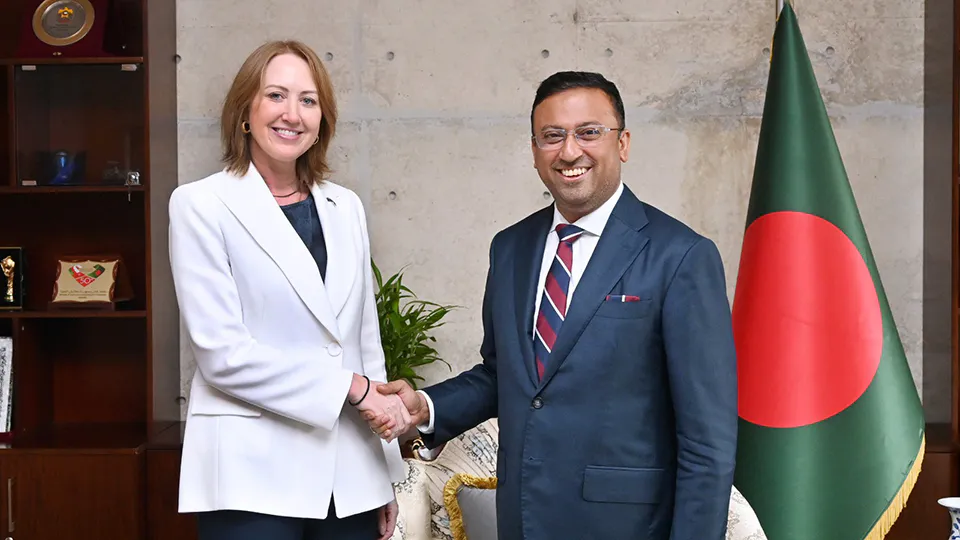
Bangladesh has formally sought a closer partnership with Australia on labor mobility, vocational training, and the development of a skilled caregiver workforce for overseas employment, according to a recent diplomatic engagement in Dhaka. The request was conveyed during a meeting between Bangladeshi state officials and the Australian High Commissioner, where the discussion centered on structuring a mutually beneficial framework for worker migration. This initiative reflects Dhaka’s broader strategy to tap into developed nations’ aging populations and their subsequent demand for healthcare support. The proposed cooperation is seen as a critical step toward formalizing a pipeline for trained professionals rather than relying on ad, hoc migration. By targeting caregiver training specifically, Bangladesh aims to shift its labor export profile from semi, skilled to highly specialized categories.
The background to this diplomatic push lies in Bangladesh’s long, standing reliance on remittances, which constitute a significant portion of its national economy and foreign exchange reserves. For decades, the country has primarily sent workers to Gulf Cooperation Council states and Malaysia, where demand has fluctuated sharply with oil prices and infrastructure cycles. However, these traditional markets have recently imposed stricter visa regulations and faced economic slowdowns, prompting Dhaka to diversify its labor destinations. Australia, with its points, based immigration system and acute shortage of aged, care workers, presents a lucrative and stable alternative. Moreover, Canberra has signaled a growing interest in Indo, Pacific partnerships, making the South Asian nation a logical ally in regional labor supply chains. This meeting is part of a series of bilateral consultations aimed at converting informal worker flows into structured government, to, government agreements.
The key details of the proposal focus on establishing joint certification standards so that Bangladeshi caregivers meet Australian accreditation requirements before departure. Officials discussed the creation of specialized training institutes in Dhaka that would align curricula with Australian competency frameworks, including English language proficiency and practical geriatric care modules. Another dimension involves expanding existing visa pathways, such as the Temporary Skill Shortage visa, to include more nursing and personal care assistant categories. The talks also touched upon the ethical recruitment of workers to prevent exploitative practices and ensure wage parity with domestic employees in Australia. While no specific numbers of workers or timelines were disclosed, both sides acknowledged the potential for thousands of placements annually if the framework is successfully negotiated. These discussions were framed around a pilot project model, which could later be scaled up based on performance and demand.
Reactions to the proposed collaboration have been cautiously optimistic among labor exporting stakeholders in Dhaka, though some recruitment agencies have expressed concern over the stringent selection criteria. Industry analysts note that Australia’s high living standards and robust labor laws make it an attractive destination, but the bar for entry is significantly higher than in traditional markets. The Bangladeshi diaspora in Australia, estimated in the tens of thousands, has also welcomed the news, viewing it as an opportunity for family reunification and skill transfer. Meanwhile, Australian healthcare providers have been vocal about their staffing crises, with many facilities operating below capacity due to a shortage of qualified caregivers. This alignment of needs has led to preliminary discussions between private training academies in Bangladesh and Australian healthcare consortiums. The development is also being watched by neighboring countries like Nepal and Sri Lanka, which compete for similar labor niches in the region.
This initiative fits into the larger global trend of managed labor migration, where countries are moving away from temporary guest, worker programs toward long, term settlement pathways for essential sectors. Across the developed world, post, pandemic healthcare systems are grappling with burnout and attrition, creating structural vacancies that local workforces cannot fill. Bangladesh, with a young population where roughly half are under the age of 25, sees this as a demographic dividend that can be monetized through targeted upskilling. For Australia, sourcing workers from South Asia is part of a diversification strategy to reduce dependency on traditional suppliers like the Philippines and India. Additionally, the bilateral engagement aligns with Australia’s recent development assistance programs in Bangladesh, which have historically focused on education and rural health, now pivoting toward economic mobility. The negotiation also carries geopolitical weight, as it strengthens ties between a rising South Asian economy and a key Western ally in the Pacific.
Historically, Bangladesh’s foray into formal labor agreements with Western nations has seen mixed results, with early attempts in the late 2000s to engage the United Kingdom and Canada hampered by visa fraud scandals. A more successful parallel can be drawn with the country’s healthcare worker exports to the Gulf, where standardized training under the Bangladesh Nursing Council led to a steady increase in placements over the past decade. However, the Australian context differs in its emphasis on soft skills, cultural adaptation, and rigorous verification of credentials, which has historically been a bottleneck for South Asian applicants. Lessons from Sri Lanka’s partnership with Germany on elderly care, which took nearly five years to fully operationalize, suggest that patience and phased implementation will be crucial. Bangladesh’s own success in sending IT professionals to the United States under H, 1B visas demonstrates its capacity to meet high standards when institutional support is aligned. These historical precedents inform the current cautious optimism, with officials aware that policy announcements must translate into visa issuance data to prove efficacy.
Looking ahead, the immediate next steps involve the formation of a joint working group to conduct a feasibility study over the coming months, followed by a potential signing of a memorandum of understanding during a high, level bilateral visit. Both governments are expected to pilot caregiver training in two or three existing polytechnic institutes before expanding to other districts. The Australian Department of Home Affairs will likely review its occupation lists to include new caregiver sub, categories, a process that typically involves consultations with industry bodies. For Bangladeshi aspirants, English language testing centers are slated to be expanded outside major cities to increase accessibility. If successful, this agreement could become a model for similar negotiations with Canada and New Zealand, which face comparable demographic pressures. The ultimate impact will depend on the speed of accreditation mutual recognition, but early signals from both capitals suggest a genuine commitment to moving beyond dialogue into actionable policy.