A Scottish river project set out to revive oysters that once covered an area the size of Edinburgh; now, 60,000 have been returned
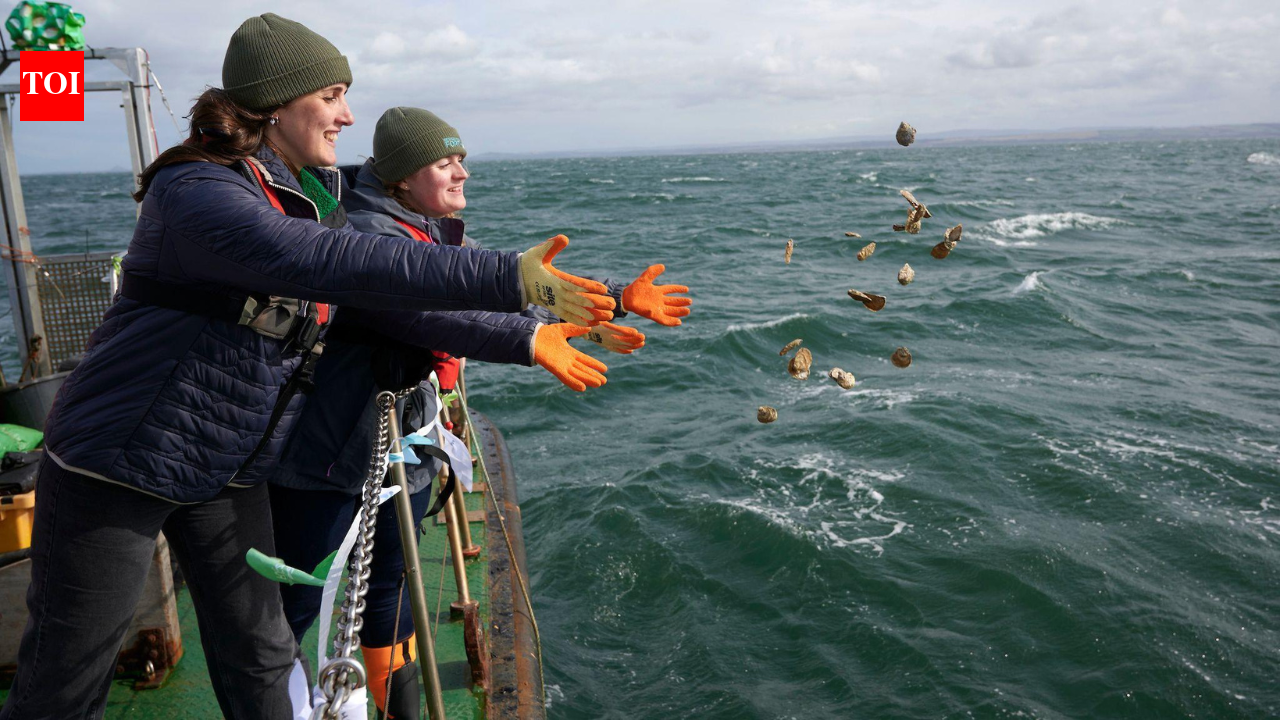
The Firth of Forth, a vast estuary on Scotland’s east coast, has witnessed a remarkable ecological milestone as a dedicated restoration initiative has successfully reintroduced 60,000 native oysters to its waters. This effort, spearheaded by a coalition of conservation groups and local stakeholders, aims to resurrect a species that once thrived in such abundance that its reef beds covered an area comparable to the size of Edinburgh. The project marks a significant victory in marine rewilding, demonstrating that large, scale habitat restoration is achievable even in heavily industrialised and historically polluted waterways. After centuries of absence due to overfishing and habitat destruction, these filter, feeding molluscs are now re, establishing themselves across carefully selected sections of the estuary floor.
The story of the native oyster in the Firth of Forth is one of dramatic decline, with historical records indicating that massive oyster banks formed a cornerstone of the local marine ecosystem and economy. These reefs, which could stretch for miles and rise several meters from the seabed, provided critical shelter and feeding grounds for countless fish, crustaceans, and other invertebrates. However, relentless commercial dredging throughout the 18th and 19th centuries, followed by later industrial pollution and disease, drove the population to functional extinction. The scale of the historical loss is starkly illustrated by the fact that the former reef extent is now compared to the entire footprint of Scotland’s capital city, underscoring the ecological void left in the estuary.
The restoration methodology employed by the project team has been methodical and scientifically rigorous, moving away from simply scattering shellfish onto the seabed. Initial stages involved extensive seabed surveys to identify suitable habitats, followed by the introduction of mature oysters that could immediately begin filtering water and reproducing. Crucially, the team has also experimented with laying down clean cultch material, such as scallop shells and gravel, to provide a stable substrate for juvenile oysters to settle upon. Recent monitoring dives have confirmed not only high survival rates among the transplanted adults but also the presence of wild, spawned offspring, a key indicator that the population is beginning to sustain itself naturally. This focus on creating self, propagating reef structure, rather than just depositing animals, is what distinguishes this project from smaller, purely symbolic releases.
Local reactions and community involvement have been central to the project’s progress, with volunteers and citizen scientists playing an active role in monitoring the health of the new oyster beds. The effort has also drawn attention from other coastal regeneration programs across the UK, which view the Firth of Forth as a template for restoring what was once a ubiquitous feature of British shorelines. Furthermore, the return of the oysters is expected to bring tangible benefits beyond biodiversity, as a single adult oyster can filter over a hundred litres of water a day. Improved water clarity could, in turn, encourage the growth of seagrass meadows and other light, dependent marine plants, amplifying the positive impact of the initial oyster reintroduction. This holistic view of ecosystem recovery has generated significant goodwill among both environmentalists and local fishing communities, the latter recognising the long, term potential for a healthier, more productive marine environment.
This initiative is part of a growing global movement to restore keystone species to their historic ranges, mirroring similar successful projects in the Chesapeake Bay, New York Harbor, and coastal regions of Europe. In the United Kingdom, efforts are underway in Wales and southern England, but the Firth of Forth project is notable for its scale and the strategic positioning of its reefs within a major urban and industrial corridor. The presence of a working port, chemical plants, and a major bridge just miles from the restoration sites demonstrates that ecological recovery does not necessitate the removal of human activity, but rather the careful management of its impacts. By proving that native oysters can survive and thrive in an environment that was once written off as biologically barren, the project challenges previous assumptions about the limits of marine restoration.
Historically, the Firth of Forth’s oyster reefs were not merely a biological feature but a commercial engine, with records showing that the town of Prestonpans, located on its southern shore, was once the oyster capital of Scotland. In the 1700s, the fishery was so productive that oysters were a staple food for the poor and were exported in vast quantities to London and continental Europe, a practice that ultimately led to their ruinous depletion. The collapse of the fishery in the late 19th century was so complete that the intervening decades saw a complete loss of local knowledge about their former distribution. This new project, therefore, represents not just a scientific venture but also a restoration of cultural heritage, reconnecting the local population with a marine resource that defined their coast for centuries. The comparative data from those historical harvests now serves as a vital guide for setting realistic targets for the current recovery effort.
Looking ahead, the project leaders plan to continue monitoring the established oyster beds over the coming years to evaluate their structural development and biological productivity, with plans to potentially translocate additional oysters to new locations within the estuary. The immediate focus will shift towards scaling up the reef substrate installation and securing long, term funding to ensure the population becomes fully self, sustaining without further human intervention. A critical factor for future success will be the establishment of a no, take zone, which requires cooperation from authorities to regulate any potential future dredging or fishing activity in the area. By demonstrating a measurable improvement in water quality and juvenile oyster recruitment, the project aims to prove that a fully restored reef ecosystem, once spanning the size of Edinburgh, is not a fantasy but a tangible prospect. Ultimately, the success of this project could pave the way for a coordinated national strategy to revive native oyster populations across all of Scotland’s coastal waters, turning back the clock on centuries of environmental degradation.